
Description
A grid-tied inverter is a device whose primary function is to convert the direct current generated by solar photovoltaic modules into alternating current. The alternating current, in turn, will serve as a source of electricity for a home or farm, or, if there is a surplus, will be sold under the terms of the green tariff.
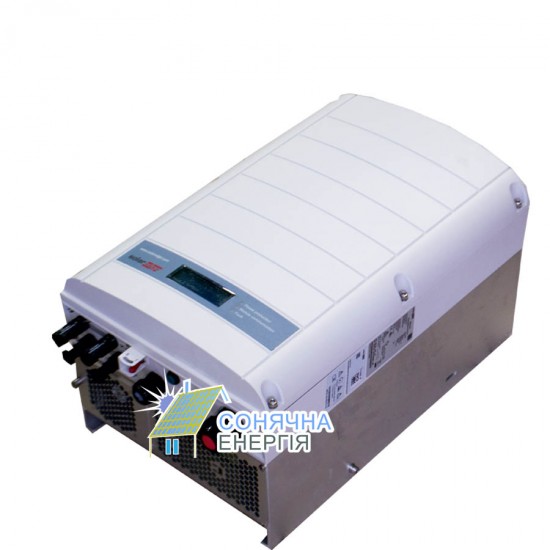
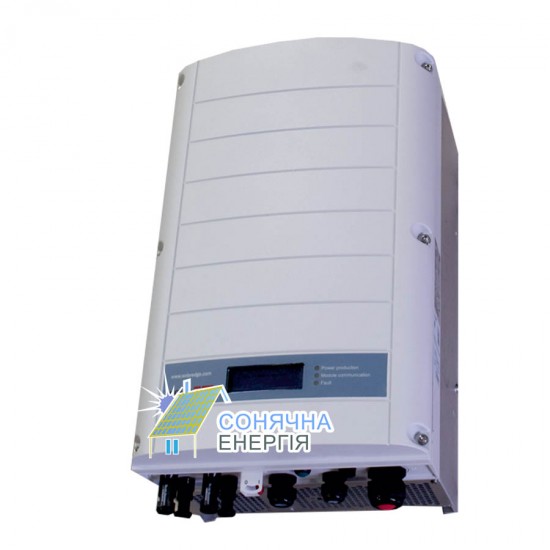
Therefore, choosing a high-quality inverter is a key factor in the efficient operation of an entire solar power plant. The Israeli-made SolarEdge SE27.6K inverter meets the criteria for reliability, high-quality construction, and high performance.
The SolarEdge SE27.6K grid-tied inverter is designed for operation in a three-phase grid with a total capacity of 27,600 W. The maximum input power for the device is 37,250 W. The rated voltage on the DC circuit is 750 V, and the maximum voltage is 900 V. The maximum input current is 40 A.
Device specifications: maximum power is 27.6 kW, voltage ranges from 184 V to 264.5 V, and current is 40 A.
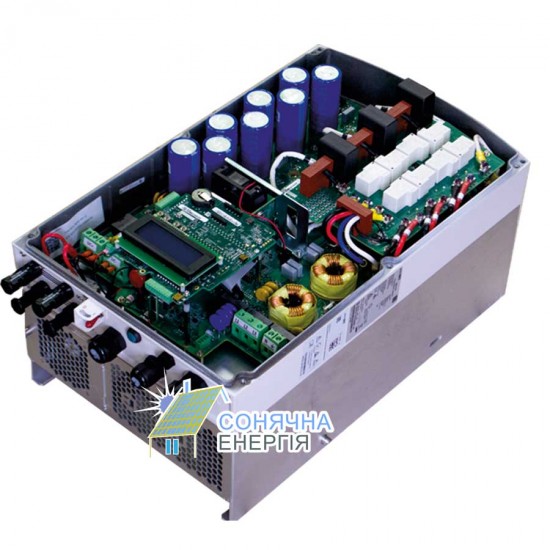
The efficiency metrics for this model are among the best on the market. The high performance is due to the MPPT architecture and the presence of additional voltage optimizers for each photovoltaic module in the entire system. MPPT tracking allows for monitoring the point of maximum efficiency across the entire array of photovoltaic cells.
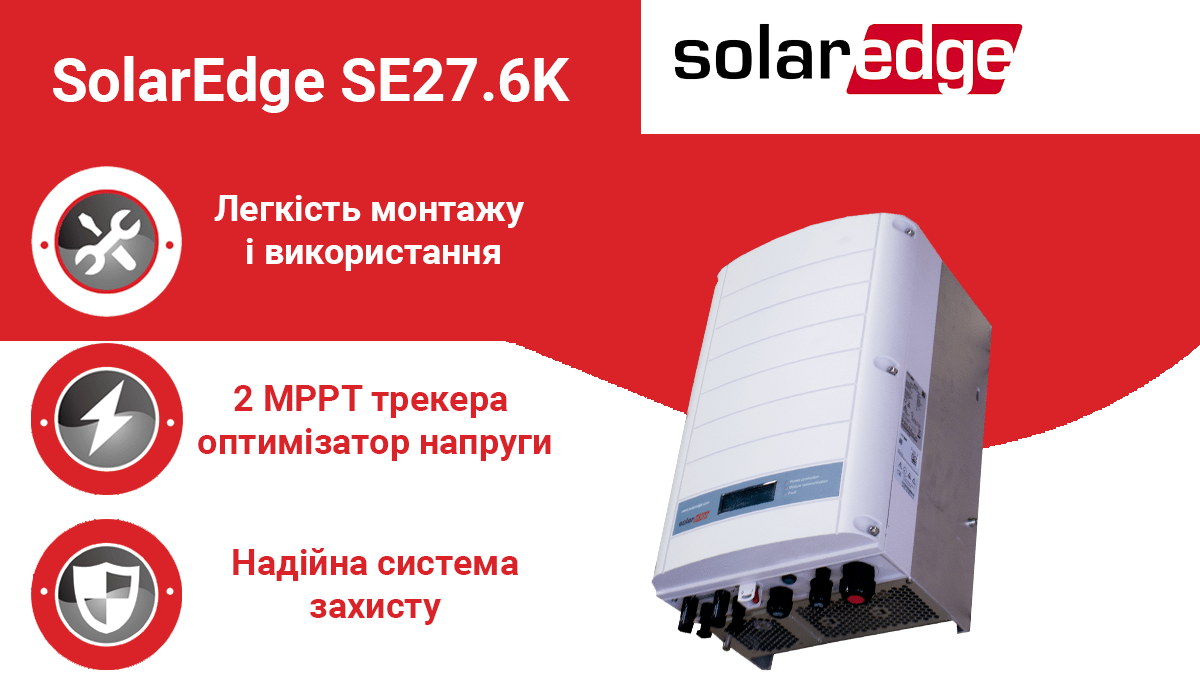
Voltage optimizers monitor the operating parameters of solar panels. Shading significantly affects the performance of a solar power plant. The larger the shaded area on a panel, the lower the panel’s power output. By monitoring the productive operating areas of solar panels, even in the event of partial shading, the entire panel will operate at maximum efficiency. It is advisable to install optimizers whenever shadows are likely to fall on the solar panels. Shadows can be caused by neighboring buildings, trees, or even a chimney on the roof. When using optimizers, the output parameters of each panel are read separately by the inverter and do not affect the operation of the entire system.
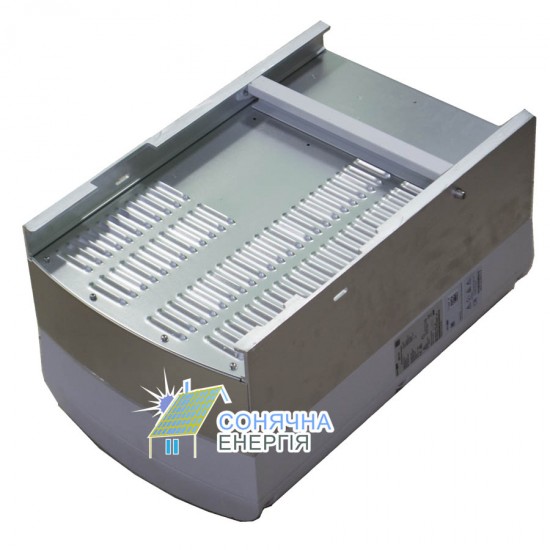
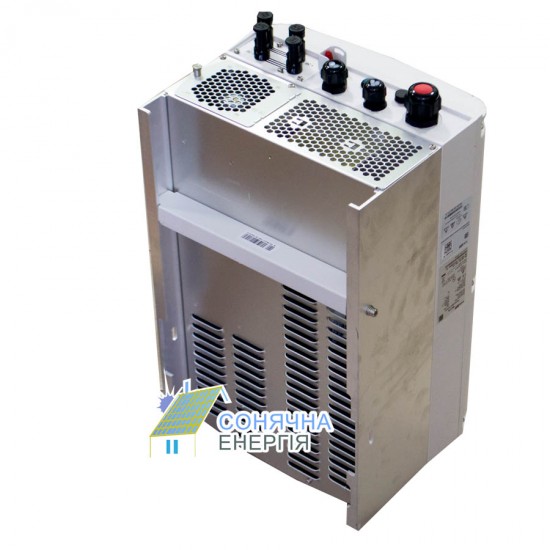
The device is cooled by fans with an intelligent operating mode (OptiCool). This cooling mode allows the system to adapt to the device's operating temperature.
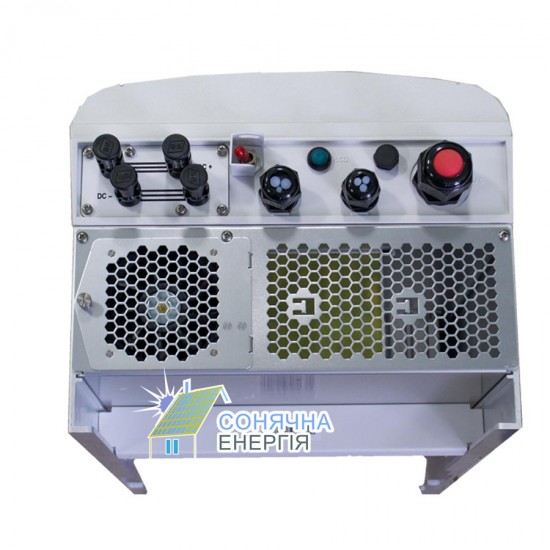
The device's communication interfaces—RS485, Ethernet, Zigbee (optional), Wi-Fi (optional), and built-in GSM (optional)—allow you to monitor the operation of the entire station or the output of each panel individually.
The device comes with a 10-year warranty. Combined with a service life of approximately 25 years, choosing this device is an excellent solution for building a high-quality solar power plant.
Reviews
There are no reviews yet.