
Construction of Solar Power Plants for Private Homes
A home solar power system—real savings, not an experiment
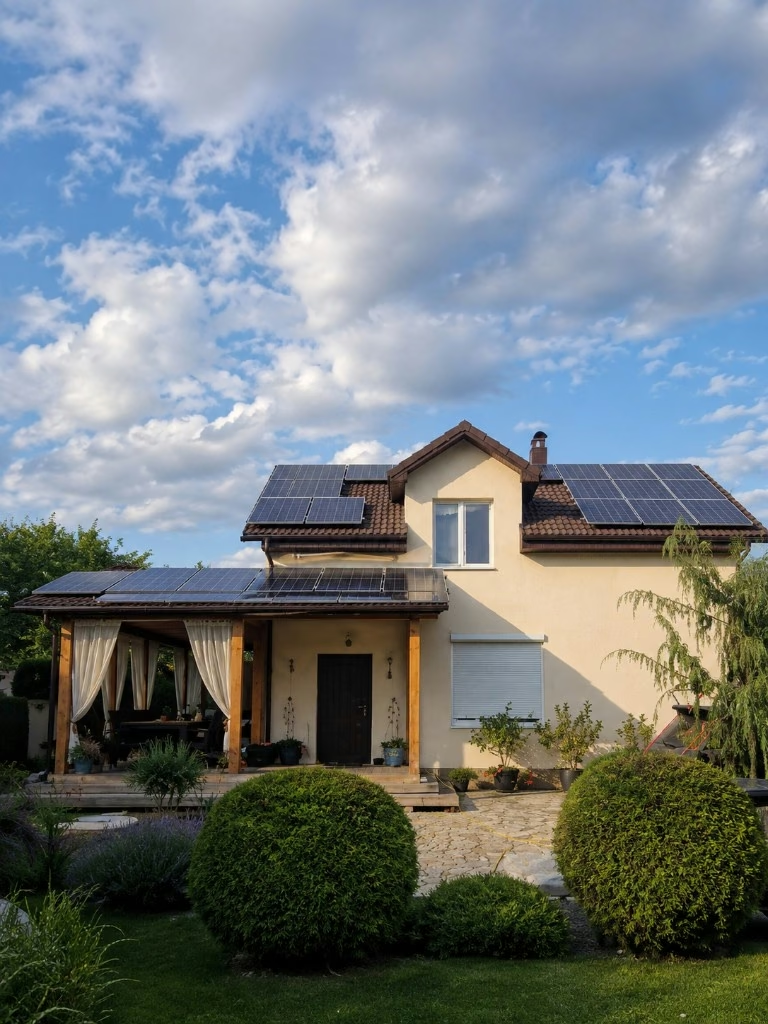
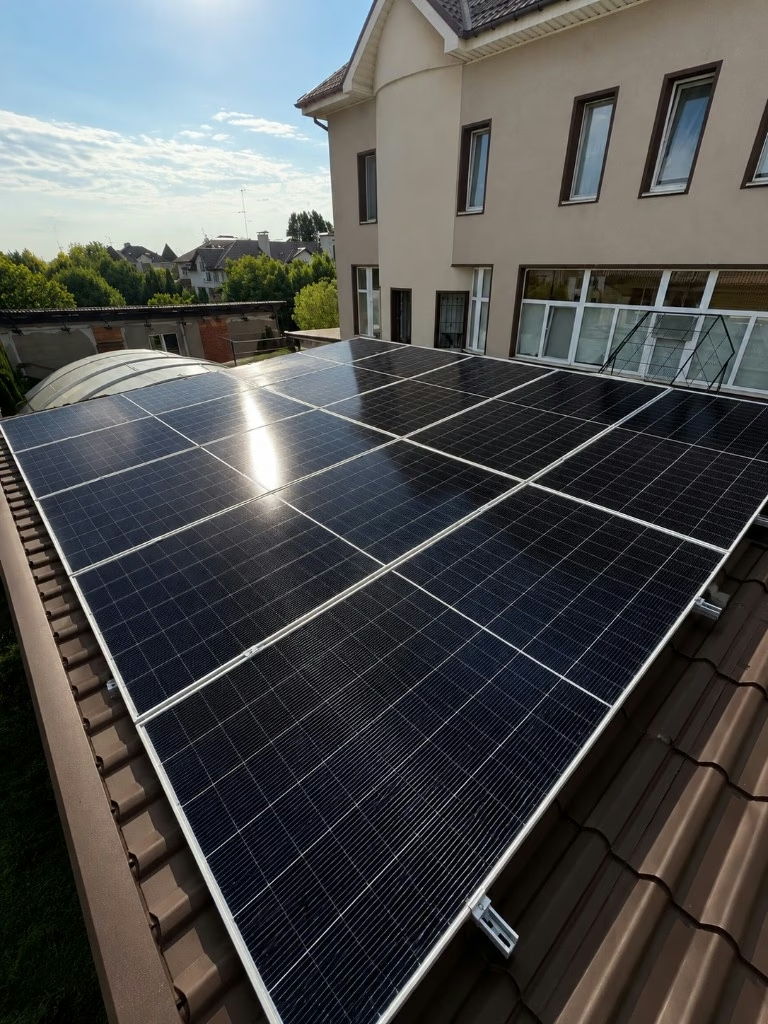
Rising electricity rates, frequent power outages, and grid instability are prompting homeowners to seek a more reliable source of energy. That is why a residential solar power system is becoming a practical solution that allows homeowners to control their electricity costs, reduce their dependence on the utility grid, and improve their home’s energy efficiency. In addition to savings, generating your own electricity increases a property’s market appeal, as a home with an independent energy source is valued significantly higher.
What Capacity of Solar Power Plant Should You Choose for a Private Home?
The choice of system capacity depends primarily on how much electricity the home consumes over the course of a year. For example, a 5 kW solar power system is typically suitable for small single-family homes with basic appliances—a refrigerator, water heater, washing machine, and lighting. 10-kW systems are more commonly chosen by families who live in the home year-round and actively use air conditioners, kitchen appliances, or electric heating. More powerful 15–20 kW systems are installed in large homes that use heat pumps, multiple air conditioners, or electric vehicle charging. It is the level of consumption and the number of energy-intensive appliances that help determine the optimal capacity of the future system.
How a Solar Power Plant for a Home Is Built
Before installing a solar power station, it is important to understand exactly how the construction of a solar power station for a private home takes place and how long each stage of the work takes. For the homeowner, this is a transparent process: from the initial site inspection and energy analysis to the installation of equipment and the commissioning of the system. A clear sequence of steps allows you to estimate the project timeline in advance, prepare the home for equipment installation, and understand when the system will begin generating electricity. In most cases, the entire process—from project approval to commissioning—takes only a few days.
1. Engineer’s site visit and site assessment
The first step in building a solar power system for a private home is a technical inspection of the site by an engineer. The specialist visits the site to assess the feasibility of installing the equipment and determine how much power the future system will be able to generate. This assessment helps identify the optimal layout for the panels and avoid technical limitations before installation begins.
Read more
During the site survey, the building’s design features are taken into account, as a residential solar power system must operate as efficiently as possible for many years. The engineer analyzes the building’s orientation relative to the sun, potential sources of shading, and the technical condition of the electrical grid. During the site visit, the following parameters are checked:
- Roof area and condition
- roof pitch and orientation relative to the sun
- the presence of shade from trees, neighboring buildings, or structures
- Condition of the electrical panel and the internal electrical system
- available grid connection capacity
Based on this analysis, the engineer develops technical recommendations that provide insight into what the future station will look like and what capacity it would be advisable to install.
2. Developing the project and finalizing the proposal with the client
After the technical inspection, the design phase begins. Engineers create a customized design that shows exactly how the future residential solar power plant will operate. This allows the homeowner to visualize the future system even before installation begins.
Read more
The project takes into account actual electricity consumption, roof area, and equipment placement options. The result is a clear diagram of the power plant that shows the expected electricity generation and the system configuration. The project includes the following solutions:
- Layout of solar panels on the roof
- Selecting an inverter with the appropriate power rating
- electrical protection system
- Wiring diagram for the home's internal network
This allows the homeowner to understand in advance what the system will look like, how much electricity it will generate, and how it will be connected to the house
3. Installation of Structures and Panels
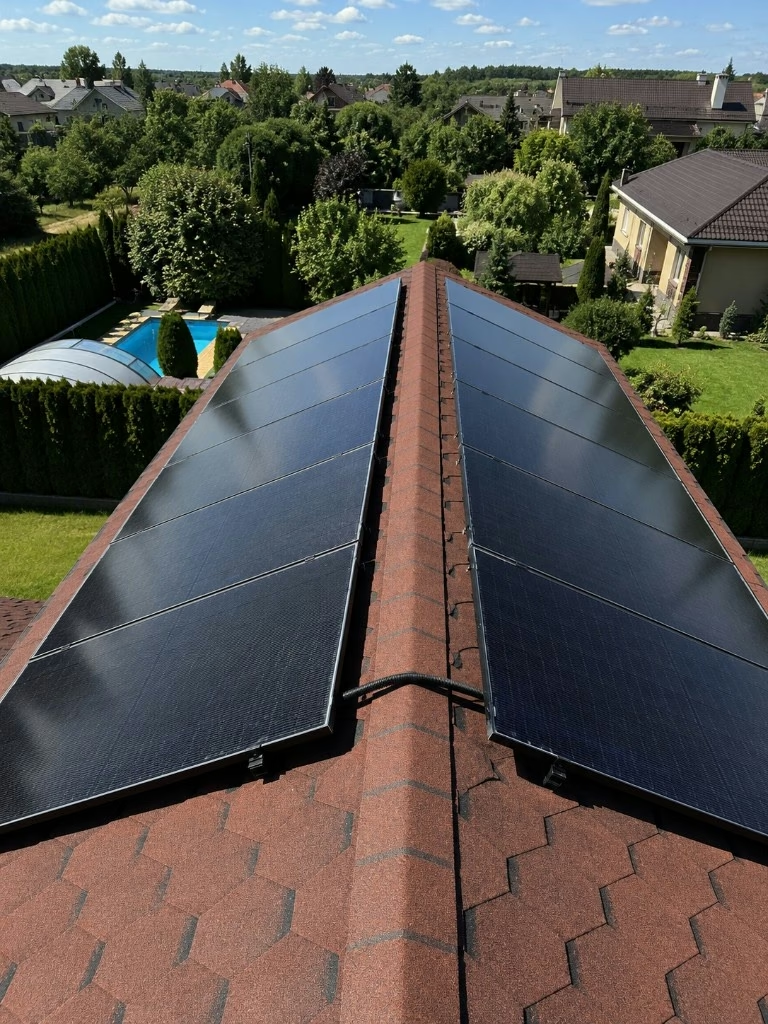
Once the project has been approved, the practical phase begins—installing solar panels on the house. The installation is carried out taking into account the roof’s structure and technical safety requirements. The main goal is to ensure the system’s reliability without damaging the roof.
Read more
During installation, special mounting systems are used to evenly distribute the load and ensure the station’s long-term operation. It is important that all structural components be installed in a leak-tight manner and comply with technical standards. The installation process involves several key steps:
- Installation of mounting structures
- sealing the fastening points on the roof
- Solar Panel Installation
- cable route installation
- Connecting equipment to the inverter
Depending on the station's capacity, installation takes approximately 1 to 5 days, after which the system is ready to be connected and put into operation.
4. Setup and First Start-up
Once the installation work is complete, the system is connected and commissioned for the first time. At this stage, the residential solar power system undergoes a comprehensive functional test of all its components.
Read more
Engineers are testing the equipment, verifying the stability of power generation, and configuring the monitoring system. This ensures that the plant is operating correctly and generating electricity in accordance with projections. The following steps are performed during startup:
- Checking the inverter connection
- Testing the power output of solar panels
- monitoring system configuration
- Inspection of safety systems
- Monitoring the station's operation under load
Once the installation is complete, the owner receives instructions on how the system works, and the home solar power plant begins generating electricity as early as the first sunny day
Is it possible to sell excess electricity?
The excess electricity generated by a residential solar power plant can not only be used for personal needs but also fed into the power grid. In Ukraine, there are special mechanisms for this—the green tariff and the Net Billing system. The first option involves selling electricity to the government at a fixed price, while the second allows the value of excess generation to be credited to the consumer’s account and used to offset future consumption.
These mechanisms make a home solar power system not only a way to save money, but also a source of additional income. You can find detailed connection terms, rules for selling electricity, and current support programs on the relevant pages of the website or during a consultation with an engineer.
How much does a solar power system for a private home cost?
The cost of the system depends on the power plant’s capacity, the equipment configuration, and the technical conditions of the specific site. The price of a residential solar power system can vary, as each home has its own level of electricity consumption, roof area, and power grid characteristics. That is why, before work begins, engineers perform calculations to determine the optimal capacity and configuration of the system.
It’s also important to keep in mind that building a solar power system for a private home involves more than just installing panels. The project includes an inverter, a mounting system, cabling infrastructure, electrical protection, and, if necessary, battery systems. It is the combination of these components that determines the final cost of the system. The approximate price depends on the system’s capacity:
01. 5 kW solar power system.
Solutions for small homes with basic energy consumption.
02. Hybrid Solar Power Plants
A popular option for a family home intended for permanent residence.
01. Off-Grid Solar Power Plants
A system for large homes with high electricity consumption.
The final price is also determined by technical factors that can affect the complexity of the project. For example, the type of inverter, the presence of storage batteries, the characteristics of the roof, or the complexity of the installation work can all affect the system’s budget. That is why, before a residential solar power plant is installed, a customized calculation is performed to determine the exact cost and payback period.
Why Homeowners Choose Us
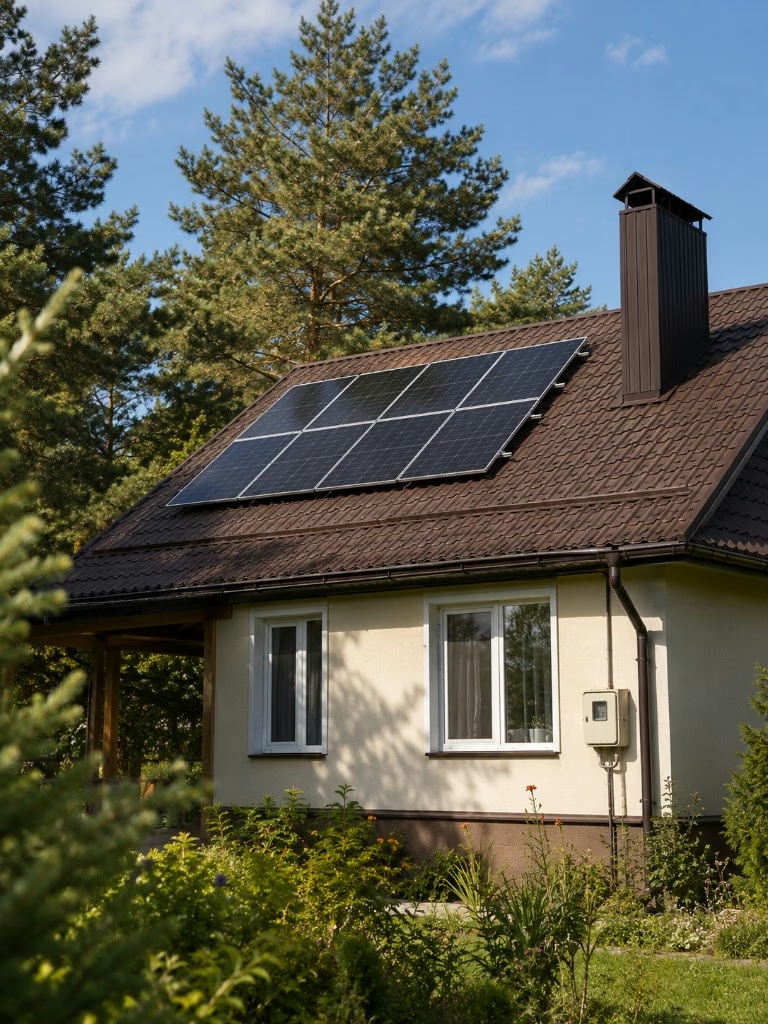
Our company, Suntime, specializes in projects for private homes, so we have a deep understanding of the unique characteristics of such properties—from roof construction to actual electricity consumption. We approach each project as an engineering solution, ensuring that the installation of solar panels on a home takes into account generation efficiency, roof safety, and the system’s long-term performance.
That is why the construction of a solar power plant for a private home begins with a technical analysis of the site, rather than with off-the-shelf solutions. This allows us to select the optimal configuration for the plant and ensure predictable electricity generation. Our customers choose Suntime for specific reasons:
01.
Engineering Design of the Station Prior to Installation
02.
Experience in implementing projects for private homes
03.
Tested equipment and certified components
04.
Warranty on Installation Work and Equipment
05.
Post-commissioning service support
Get a personalized estimate for your home
To determine which residential solar power system is best suited for your specific property, all you need to do is request a customized estimate. Suntime’s engineers will quickly analyze your electricity consumption, roof characteristics, and connection options, and then prepare a preliminary estimate of the system’s capacity, an approximate cost, and a payback period forecast. Submit a request—and you’ll get a clear picture of the future power generation and savings for your home.