
Turnkey Solar Power Plant Installation
Professional installation of a solar power system is the key to stable system operation
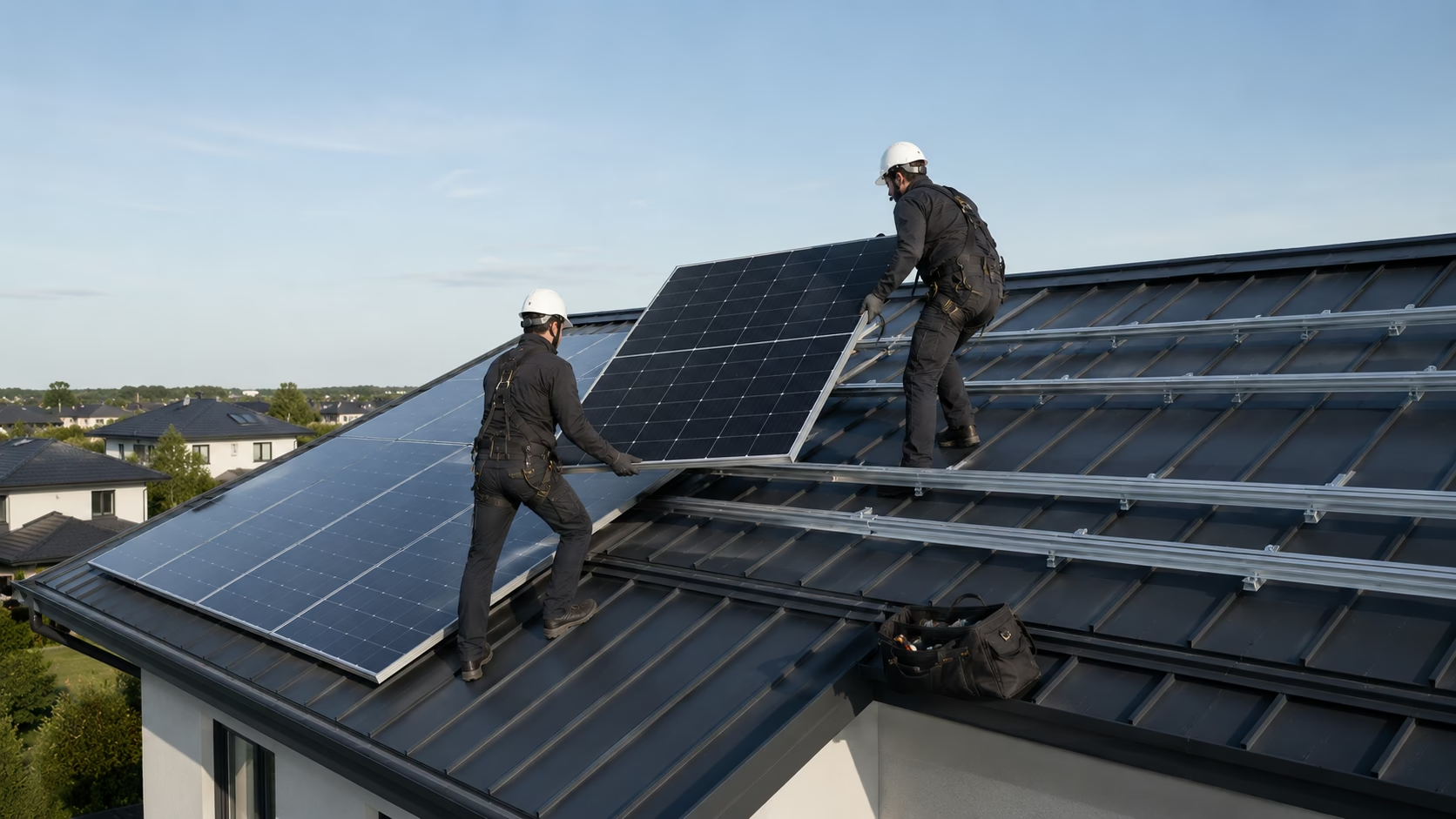
Proper installation of a solar power plant directly affects the system’s operational stability, safety, and electricity generation efficiency. It is important not only to install the equipment but also to strictly follow the engineering diagrams and correctly connect the inverters, cable lines, and protection systems. Professional installation is what helps prevent overloads, energy losses, and technical errors, and also ensures a warranty for the work performed. Submit a request now to get a cost estimate and find out the best solution for your solar power plant.
What Is Included in the Installation of a Solar Power Plant
The installation of a solar power plant is a complex set of technical tasks that includes preparing the structures, connecting the equipment, and configuring the entire power system. At this stage, solar panels are installed, inverters are set up, cable lines are laid, and protection systems are connected. All work is carried out in accordance with the engineering design, which ensures the proper operation of the plant and stable electricity generation. The main stages of solar power plant installation are outlined below.
Step 1. Equipment Delivery and Site Preparation
Before work begins, our team prepares the site for equipment installation and arranges for the delivery of all necessary components. Proper preparation ensures that the solar power plant can be installed without delays or technical complications.
Read more
The company’s specialists deliver the equipment directly to the site and conduct a preliminary inspection of the installation location. This allows them to assess the installation conditions and prepare the necessary tools for the work ahead. The following tasks are performed at this stage:
- Free delivery of equipment to the site
- Installation crew visit
- Checking the readiness of the roof or lot
- Preparing tools and materials
This approach allows us to organize our work as efficiently as possible and move on to installation without any additional delays.
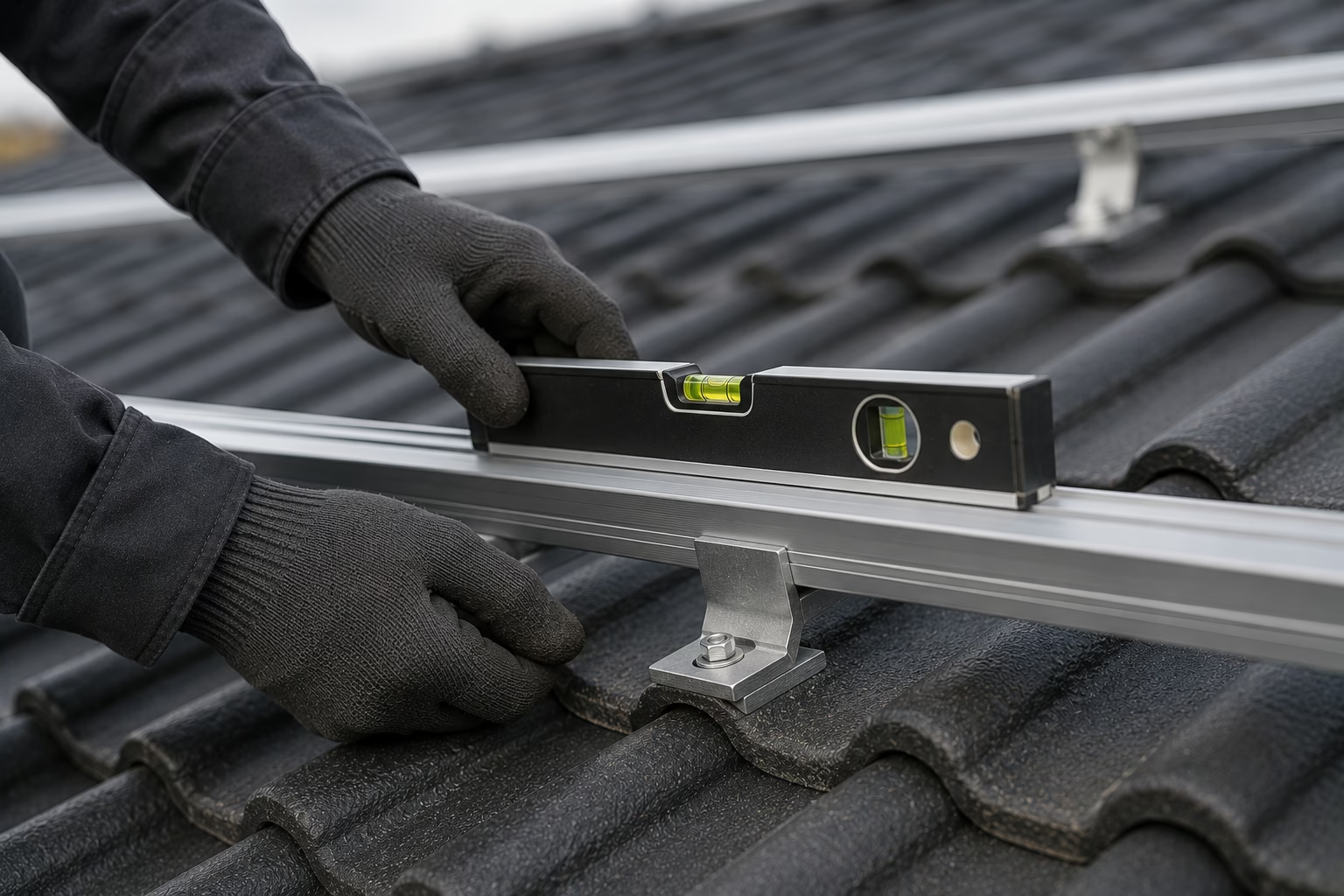
Step 2. Installation of support structures
Once the site has been prepared, the structures that will support the solar panels are installed. The reliability of these components is of great importance, as they support the equipment throughout many years of operation.
Read more
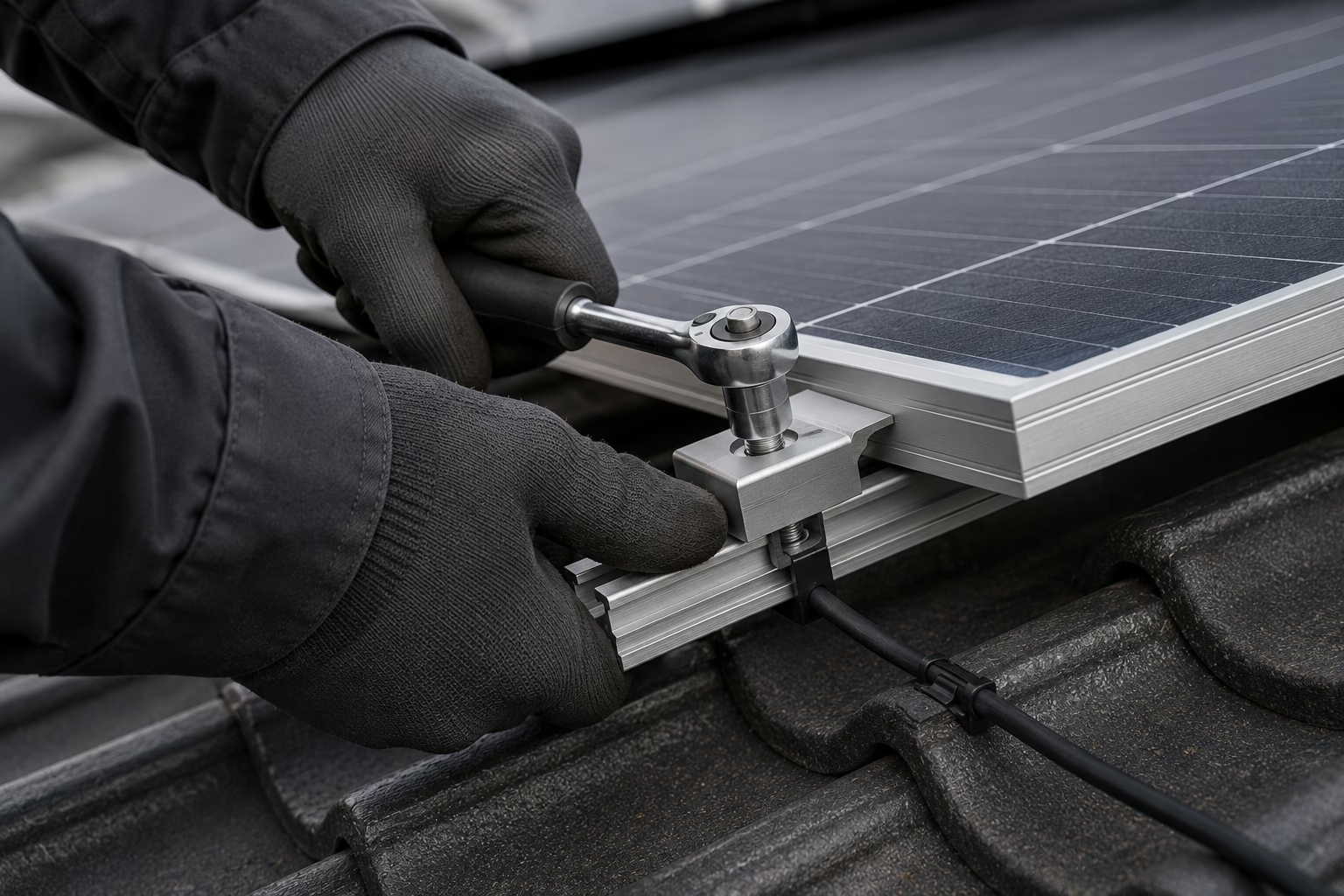
It is at this stage that the foundation for the subsequent installation of the panels is laid. Professional turnkey solar power system installation involves the use of special structures designed to withstand the effects of wind, precipitation, and temperature fluctuations. The following are used during installation:
- aluminum roofing fastening systems
- steel structures with anti-corrosion treatment
- mounting profiles for secure panel installation
- fasteners for ground-mounted structures
Such systems ensure the structural stability of the installation and the correct orientation of the solar panels relative to the sun.
Step 3. Installing the panels and the inverter
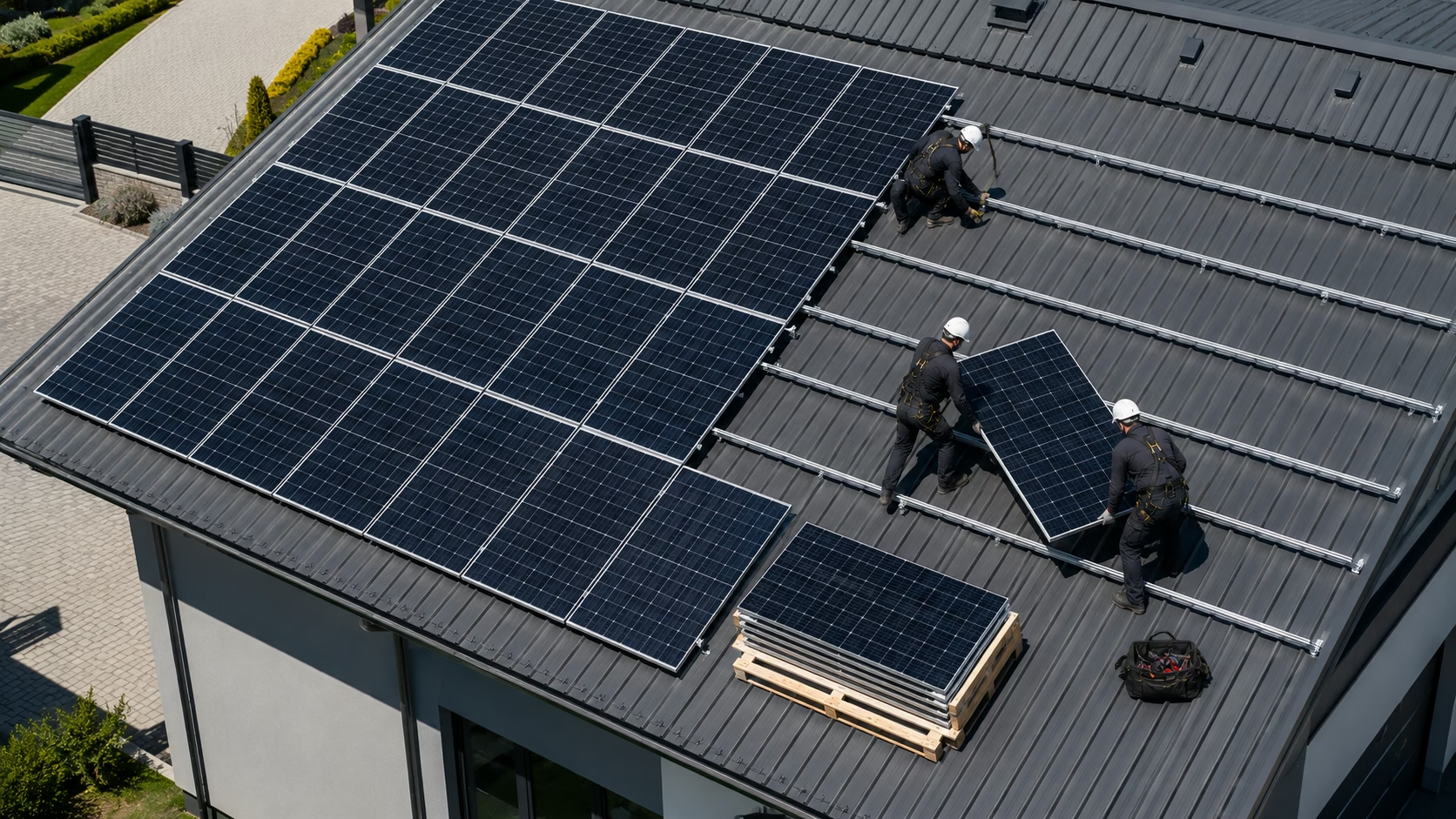
Once the mounting brackets are installed, the main phase of installation begins—installing the solar panels and connecting the inverter equipment. It is at this stage that the system begins to take on its final form.
Read more
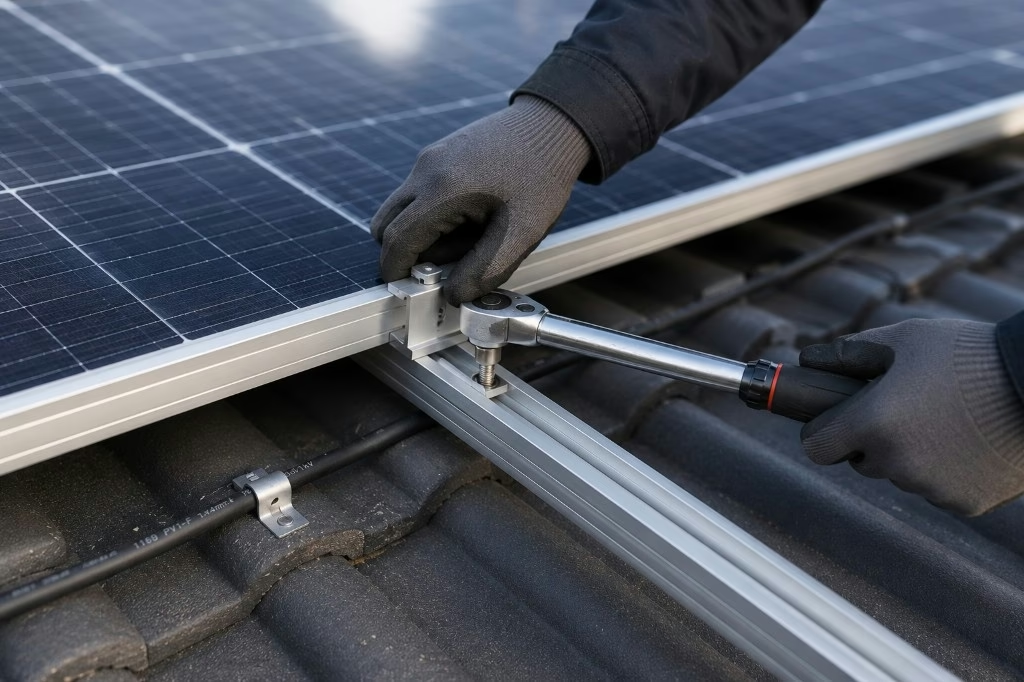
Engineers install an inverter that converts the direct current generated by the panels into alternating current for use in the home or business electrical system. The following tasks are performed during this stage:
- Installation of solar panels on structures
- Connection of DC and AC cable lines
- inverter installation
- Inverter and system parameter settings
Thanks to the proper connection of the equipment, the system operates reliably and generates electricity efficiently.
Step 4. Protection and Grounding System
The safe operation of a power plant depends on properly installed protection systems. That is why this stage is mandatory during the implementation of any energy project.
Read more
Whether you are installing a 10-kW solar power system for a private home or a 20-kW solar power system for a business, the protection system must comply with technical standards and safety requirements. The protection system includes:
- surge arresters
- circuit breakers
- grounding system
- lightning protection
These solutions protect equipment from electrical overloads and ensure the stable operation of the solar power plant.
Step 5. Test Run and Functionality Check
The final stage of the work is to verify that the entire system is functioning properly. Once installation is complete, engineers conduct equipment testing and verification measurements.
Read more
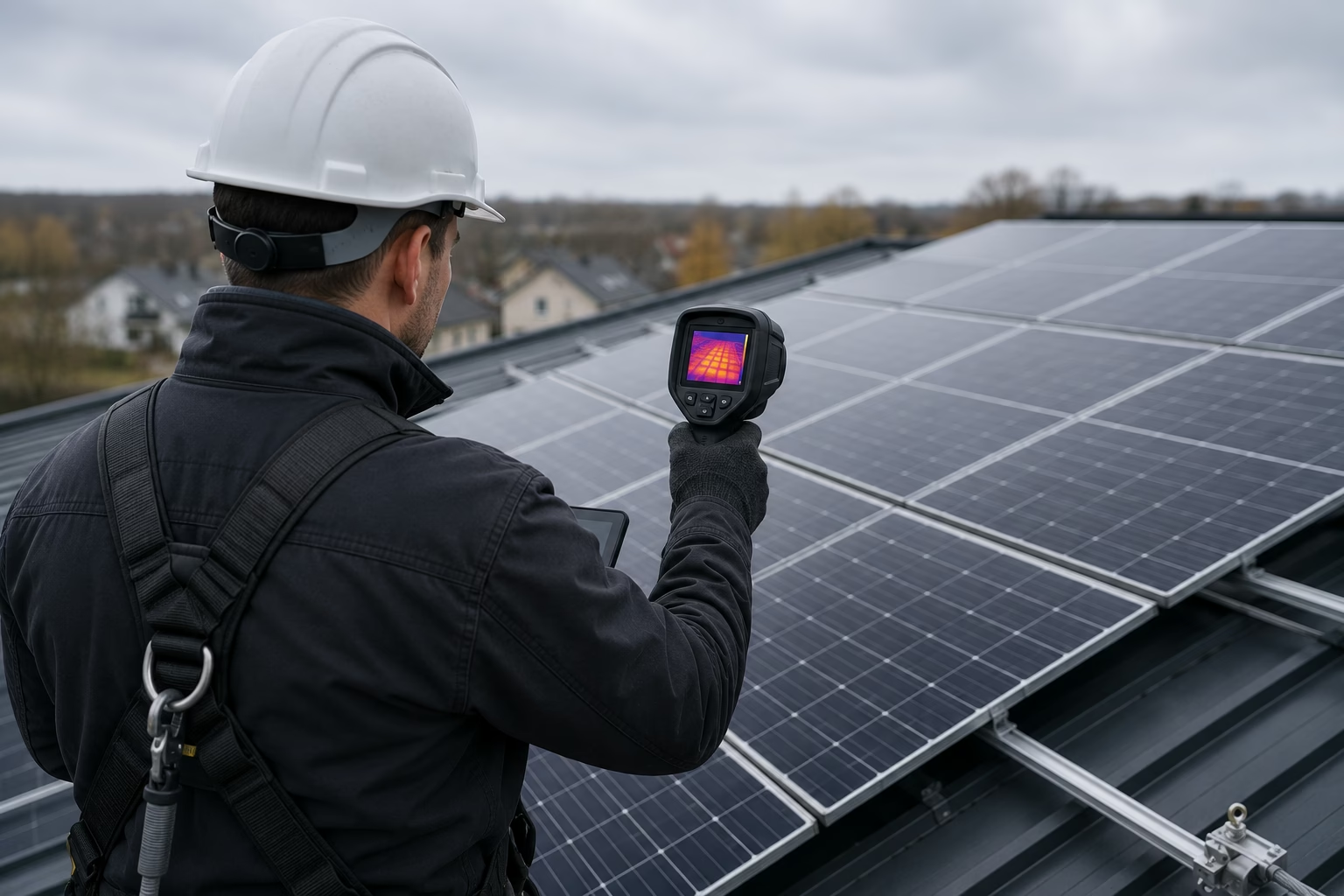
At this stage, a test run is performed to verify that the solar power plant has been installed correctly and that the system is operating in accordance with the design specifications. The following tasks are carried out during the test:
- system test run
- Verification of generation metrics
- inverter testing
- connection stability monitoring
Once the inspection is complete, the system is ready for full operation and begins generating electricity.
Timeframe for Installing a Solar Power Plant
The time it takes to install a solar power plant depends on the system's capacity, the complexity of the site, and the type of installation. For small residential systems, the work is completed fairly quickly, while larger systems take more time due to the greater amount of equipment and a more complex wiring diagram.
Specialists plan the work so that installation is completed as quickly as possible without compromising quality. For example, the installation of a 10 kW solar power plant for a private home usually takes a few days, while the installation of a 20 kW solar power plant for a commercial facility takes a little longer due to the larger installation area and additional technical work. Estimated installation times for solar power plants:
Read more
- 5 kW – 1–2 days
- 10 kW – 2–3 days
- 20 kW – 4–5 days
- 30 kW – up to 7 days
Once the installation work is complete, a test run of the system is conducted, the inverter is checked, and all electrical connections are inspected to ensure the stable and safe operation of the solar power plant.
Cost of Solar Power System Installation
Building a solar power plant is more than just installing solar panels on a roof or on a plot of land. We approach each project as the creation of a fully-fledged energy system, where every element—from engineering calculations to inverter configuration—works toward stable electricity generation. This approach ensures predictable savings or additional revenue, and the plant itself operates efficiently and without overloads for decades.

| Solar Power Plant Capacity | Estimated installation area | Average annual electricity generation | Estimated cost |
|---|---|---|---|
| 5 kW | ~30 m² | ~6,000 kW/h | Starting at ~3,150 $ |
| 10 kW | ~65 m² | ~12,000 kW/h | starting at ~6,300 $ |
| 30 kW | ~155 m² | ~36,500 kW/h | Starting at ~18,900 $ |
| 100 kW | ~550 m² | ~110,000 kW/h | starting at ~63,000 $ |
*The price may include equipment selection, structure installation, inverter connection, and system configuration. Additional options may include the installation of batteries, backup power systems, an advanced protection system, or integration with the facility’s energy management system.
Warranty and Service
The reliability of a solar power plant depends not only on the quality of the equipment, but also on proper installation and ongoing maintenance. That is why our company, Suntime, places special emphasis on quality control at every stage of the project, including the installation of solar panels, the connection of the inverter, and the configuration of the system.
Once installation is complete, the customer receives a warranty for the work performed and technical support from our specialists should any technical issues arise. This ensures the power plant’s stable operation and allows for the prompt resolution of any technical issues. As part of the warranty support, customers receive:
01.
Up to a 5-year warranty on work
02.
Engineering consultations on system operation
03.
Free maintenance as needed; Customized solutions for every project
04.
Inspection of the main equipment
Thanks to this approach, solar power plant owners can be confident in the system's stable operation and receive technical support throughout its entire service life.
Why Choose Us
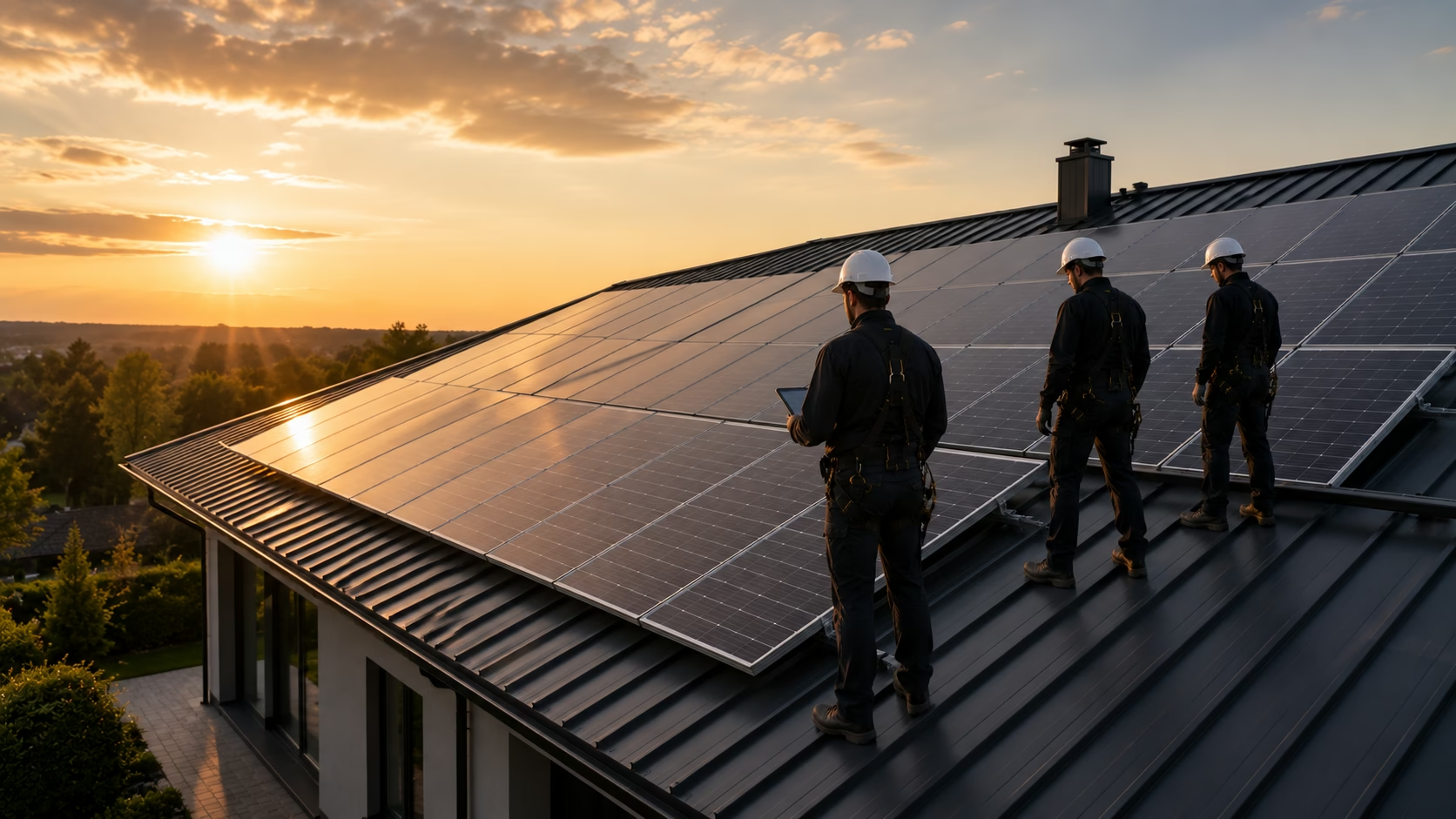
Our company, Suntime, specializes in providing energy solutions for private homes, businesses, and industrial facilities. We install solar power systems while taking into account the technical characteristics of the site, the client’s needs, and safety requirements, which allows us to create stable and efficient power systems.
Over the years, our team has implemented dozens of projects of varying complexity—from small residential solar power systems to large-scale commercial power plants. Thanks to this experience, we can offer our clients optimal solutions and provide turnkey solar power system installation with full technical support. Our key advantages:
- many years of experience in the solar energy sector
- In-house installation teams with practical experience in installing solar power systems
- performance of work throughout Ukraine
- A comprehensive approach—from design to system launch
This approach ensures quality control at every stage of the project and guarantees the stable operation of the solar power plant after it is commissioned.
Get a free consultation with an engineer
Are you planning to install a power system, or do you want to find out if solar power plants in Ukraine are a good fit for your property? Suntime’s engineers will help you assess the feasibility of installing a solar power plant, calculate the optimal capacity, and prepare a cost-saving projection.
Submit a request on our website to receive a free consultation and technical analysis—this will help you quickly choose an effective solution for your home or business.